There are no items in your cart
Add More
Add More
| Item Details | Price | ||
|---|---|---|---|

Simple ideas for clearer thinking.
July 6, 2026
Have you ever stopped to think about how many decisions you make before you even leave the house?
What should I wear? Should I answer this text first? Coffee or tea? Where are my keys?
Do I have enough time to stop at the grocery store? Should I work out now or after dinner?
By the time many of us begin our workday, we've already made dozens of decisions. Individually they don't seem significant, but together they quietly withdraw from something we rarely think about—our mental resources.
Thousands of years ago, life certainly wasn't easy. Our ancestors faced harsh weather, physical danger, and the daily challenge of finding food and shelter. But the kind of mental work they did was very different from ours. They weren't juggling text messages, email notifications, online banking, grocery apps, passwords, calendars, streaming subscriptions, and hundreds of tiny choices before lunch.
Modern life asks our minds to process more information, more interruptions, and more decisions than ever before.
I often find myself asking a simple question:
Has modern life helped us—or has it quietly sold us out?
Perhaps the answer is both.
Technology has given us incredible opportunities. We can communicate instantly, learn almost anything, and accomplish tasks that once took days in a matter of minutes. That's remarkable.
But just because we can do more doesn't always mean our minds were meant to.
One of the ideas behind The Inner Economy™ is that each morning we wake up with something much like a mental bank account.
Inside that account are the resources we depend on every day—our attention, our focus, our patience, our ability to plan, organize, and make good decisions.
Every decision we make becomes a withdrawal. Some withdrawals are small.
Choosing an outfit. Replying to a text. Deciding what's for dinner. Others are much larger.
Navigating conflict. Managing unexpected problems. Making financial decisions.
Trying to remember everything that still needs to be done.
One withdrawal isn't the problem.
Neither are ten.
It's the hundreds of tiny withdrawals we make throughout the day that slowly reduce the balance in our mental account. These micro-decisions, coupled with the high stakes ones can leave us drained.
And surprise, surprise- something interesting happens.
By six o'clock in the evening, deciding what to cook for dinner suddenly feels impossible. Like you are trying to solve the Riemann Hypothesis or World Peace.
Not because we've become lazy. Not because we've lost motivation.
But because we've been spending from the same account all day long.
This is why gentle systems matter. A routine isn't simply about being organized.
It's a deposit.
Preparing tomorrow's lunch tonight is a deposit.
Keeping a calendar instead of relying on memory is a deposit.
Creating a simple checklist is a deposit.
Each one protects your mental resources by reducing unnecessary withdrawals BEFORE they happen.
The goal of The Inner Economy™ isn't to eliminate every decision from life. Many decisions are meaningful and worth our time. The goal is to stop spending our mental resources on decisions that don't deserve them.
When we become better stewards of our inner economy, we free our minds to focus on what matters most—our relationships, our purpose, our creativity, and the people we love.
Because every gentle system you build today is a gift to your future self tomorrow.
The Science Behind It
Decision Fatigue
Definition: Decision fatigue is the mental weariness that develops after making many decisions over the course of a day. As our mental resources are used, making thoughtful choices becomes more difficult, and we become more likely to procrastinate, avoid decisions, or choose the easiest option rather than the best one.
Key Point:
Your brain isn't out of willpower—it's simply been making withdrawals from the same mental account all day long and now it’s bankrupt. Time to make a deposit!

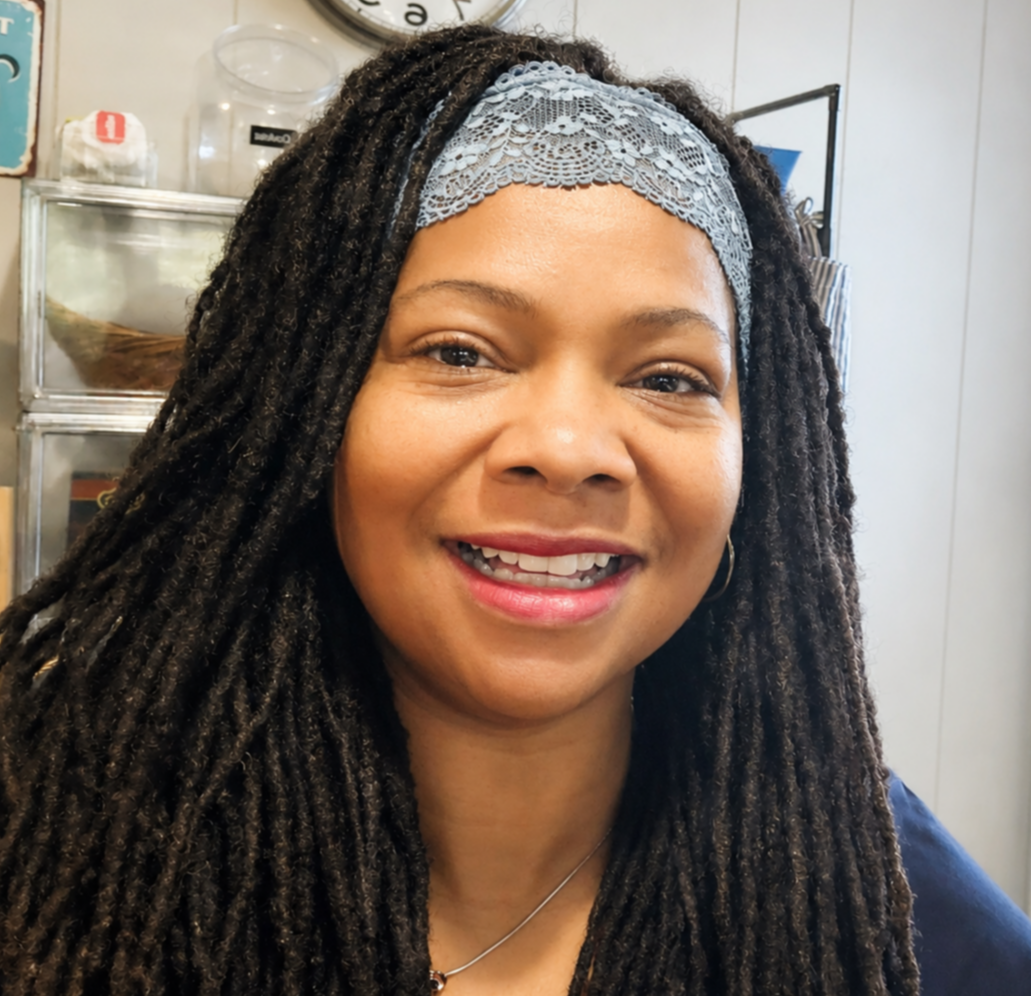
Sonya Sleem is a Speech-Language Pathologist, educator, and fellow overwhelmed human who believes gentle systems—not perfection—help scattered minds find calmer days, clearer thinking, and purposeful lives.
 Launch your Graphy